

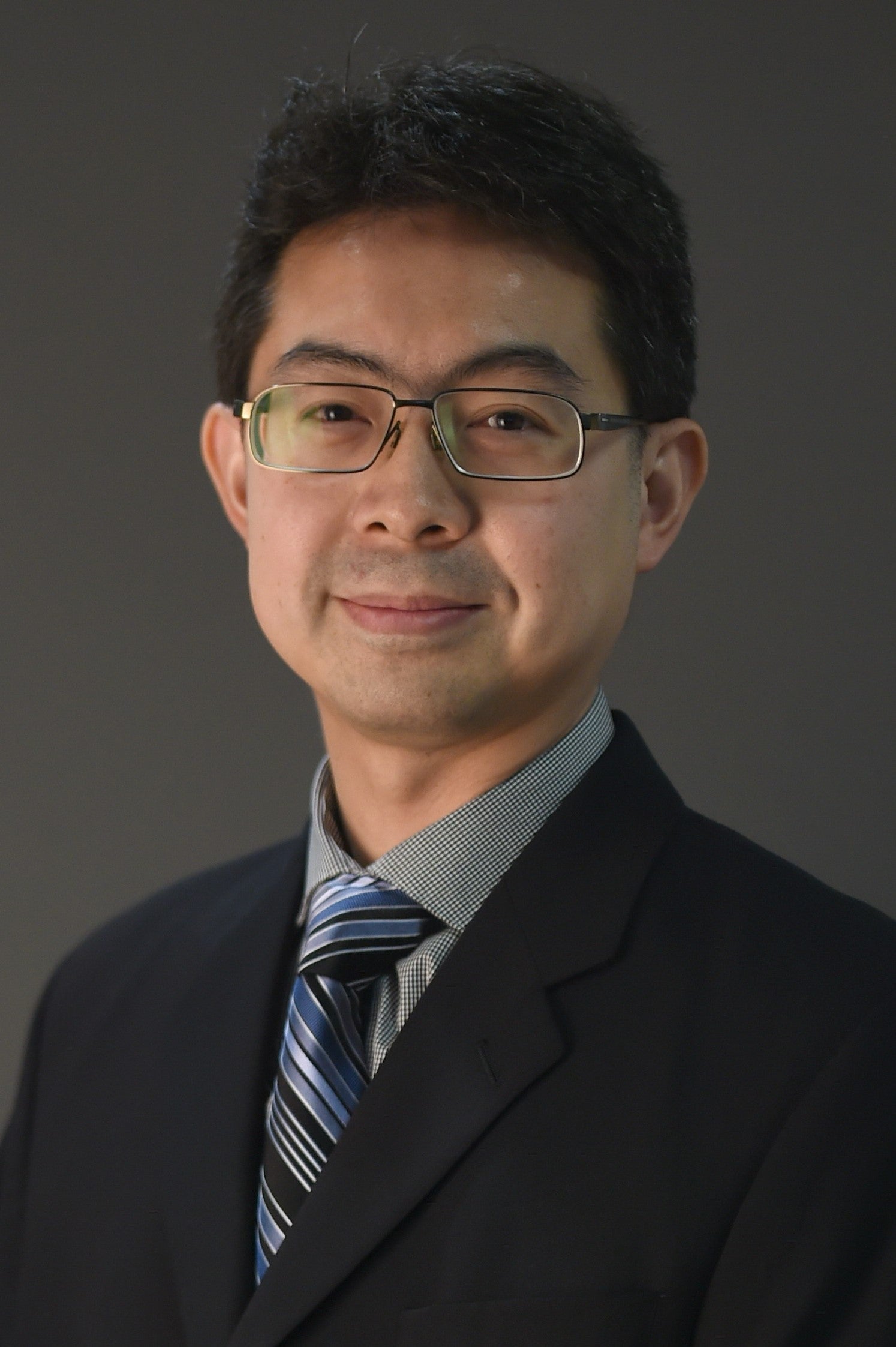
Head of Biochemistry Wen Shan Yew
 ACCEPTING PHD STUDENTS
Faculty & Department
Joint Appointments
Associate Professor, Integrative Sciences and Engineering
Head, Biochemistry, Yong Loo Lin School of Medicine
Translational Research Programme Deputy Director (Synthetic Biology), Dean-Med-Synthetic Biology Translational Research Programme, Yong Loo Lin School of Medicine
Assistant Dean (Graduate Studies), Dean's Office (Medicine), Yong Loo Lin School of Medicine
Translational Research Programme Deputy Chair (Synthetic Biology), Dean-Med-Synthetic Biology Translational Research Programme, Yong Loo Lin School of Medicine
Education
Doctor of Philosophy, University of Illinois, Urbana-Champaign, United States
Bachelor of Science Hons Class 1, National University of Singapore, Singapore
Bio
Wen Shan YEW is Associate Professor and Head of the Department of Biochemistry at the Yong Loo Lin School of Medicine at the National University of Singapore. His other academic appointments include Assistant Dean (Graduate Studies), Deputy Director of the NUS Synthetic Biology for Clinical and Technological Innovation (SynCTI), Deputy Director and Research Director of the Synthetic Biology Translational Research Programme, and Director of the HH@NUS SINERGY Laboratory. He is the current President of the Singapore Society for Biochemistry and Molecular Biology, and a Council Member of the Singapore National Academy of Science. He trained as a mechanistic enzymologist with Professor John A. Gerlt from the University of Illinois at Urbana-Champaign. His current and future research is centered on expanding the multi-faceted interface between enzymology, biological chemistry and synthetic biology, in an area he terms “synthetic enzymology”. In particular, his research is focused on the use of structural and mechanistic enzymological knowledge for protein engineering (exploring, defining and modulating substrate specificities), biocatalysis, biotransformation, therapeutic development (against metabolic diseases, infectious diseases, cancer and ageing) and bioremediation (towards urban sustainability). His research is closely aligned with industrial needs and solutions, and he is currently part of the Wilmar@NUS Corporate Laboratory, the HH@NUS SINERGY Laboratory, the Centre for Precision Fermentation and Sustainability (PreFerS), the National Centre for Engineering Biology of Singapore, and the Bezos Centre for Sustainable Protein. He is the Lead PI for the Singapore International Spoke of the Bezos Centre for Sustainable Protein.
Contact Information


The Yew Lab enthusiastically welcomes students willing to journey with us towards Human and Planetary Health!
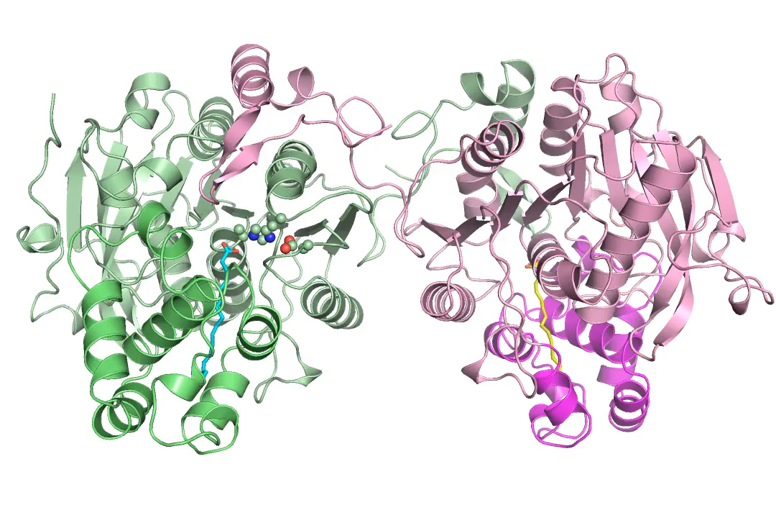
Current research interest focuses on protein engineering and biocatalysis, with emphasis on using structural and mechanistic enzymological knowledge to develop therapeutics. We are involved in the following research areas:
- Defining Synthetic Alkaloid Enzymology as an enabling platform for the Construction of Next-Generation Synthetic Biology solutions for Active Pharmaceutical Ingredients (API) production.
- Using Synthetic Cannabinoid Enzymology to discover and develop novel cannabinoid-based therapeutic biomolecules, in the areas of cancer, metabolic diseases, infectious diseases and aging.
- Using Synthetic Lixiviant Enzymology for Biomining of Electronic Wastes for Environmental Sustainability and planetary health.
- Using Precision Fermentation in the sustainable bioproduction of macronutrients and micronutrients for human health.
- Using Reimagined Oleobiochemistry in the advanced biomanufacturing of oleobiochemicals for the Bioeconomy.
Major research interests can be classified as follows:
- Rational design and directed evolution of enzymatic activities.
- Drug design and therapeutics against infectious diseases, cancer and aging.
- Synthetic Enzymology for biomedical and bioremediation applications.
- Deciphering enzyme specificity.
- Mechanistic enzymology of enzymes of pharmaceutical importance.
- Discovery of new enzymatic functions.
My Mentoring Style
How would you describe your mentoring style in terms of freedom given to your students?


Selecting Research Topics?
How do you guide your PhD students in selecting research topics?
Setbacks / Challenges
How do you handle setbacks or challenges faced by your PhD students?
Feedback
How do you give feedback on your students’ thesis drafts and progress?
Consultation Frequency
How often do you typically meet your PhD students one-on-one for consultation?
Research Group Meetings
How often do you typically hold lab meetings where your PhD students present their research work to the class?