


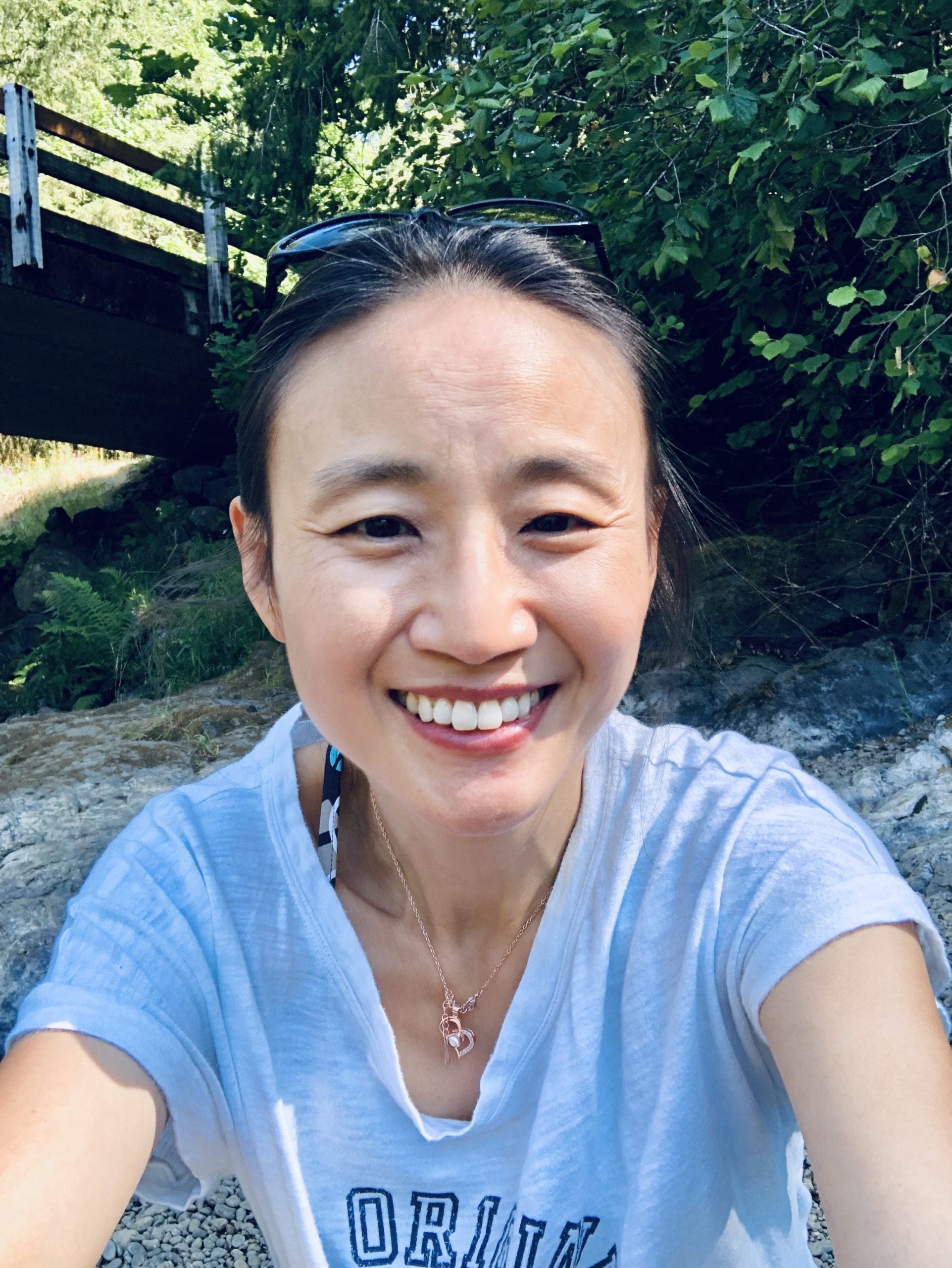
Ying Chang
Assistant Professor Ying Chang
Faculty & Department
Joint Appointments
Assistant Professor, Dean Of Faculty, Yale NUS College
Education
Doctor of Philosophy, University of British Columbia, Canada
Bio
I worked on the phylogenetics of bryophytes and early land plant evolution during my graduate studies at the National University of Singapore (MSc) and the University of British Columbia, Canada (PhD). I expanded my interest in phylogenetics and evolution to the world of mycology during my postdoctoral research at UBC and at Oregon State University, USA. I worked on the phylogenomics and comparative genomics of fungi, with a focus on the early diverging lineages, including chytrids and the earliest terrestrial fungi of zygomycetes. I worked on the characterisation of the genomic signatures associated with various fungal lifestyles (e.g., saprotrophs and symbiotrophs) and the genomic adaptations to the terrestrialization of fungi.
At NUS, I have continued my work on comparative genomics of fungi to better understand their ecological roles in ecosystems. Additionally, my research team is investigating the species and functional diversity of fungi in marine and coastal environments, employing a combined approach of culture-based and culture-independent methods.
Affiliated Scholarships
View Affiliated ScholarshipsContact Information
Welcome to the mycology research program at the Department of Biological Sciences, National University of Singapore! We focus on exploring the hidden diversity of fungi in the marine and coastal ecosystems and uncovering their intricate ecological roles. As a PhD student in our program, you’ll have the opportunities to explore the fascinating world of fungi, investigating the adaptations of marine fungi, from their genomic evolution, their ecological functions to their potential in bioremediation. Join us as we delve into cutting-edge research that bridges ecology, evolution, genomics and metagenomics all within the vibrant scientific community of NUS!
My research centers on understanding fungal species diversity and their ecological functions. Although fungi are widespread, our knowledge of them is limited; less than 10% of their estimated diversity has been described. Studying their ecological functions is challenging, as fungi are microscopic, and most cannot be cultured, making it difficult to conduct direct observation and experimentation. Furthermore, fungi often exist within complex communities, interacting with other organisms in ways that are difficult to disentangle. Since genomes provide the blueprint for biological functions, analyzing fungal genomes allows us to trace their evolutionary adaptations to various ecological niches and predict their ecological roles. In our lab, we apply comparative genomics to identify these adaptations, linking them to specific ecological functions. We also use metabarcoding and metagenomics to explore fungal species in marine and coastal environments. Additionally, we employ culture-based methods to isolate fungi from these natural habitats. This allows us to conduct lab-based experiments, including studies on how fungi interact with natural biopolymer and human-introduced pollutants. By testing these functions in controlled settings, we aim to gain critical insights into the functions of fungi in nutrient cycling and their potential for bioremediation solutions.