

Adam Claridge-Chang
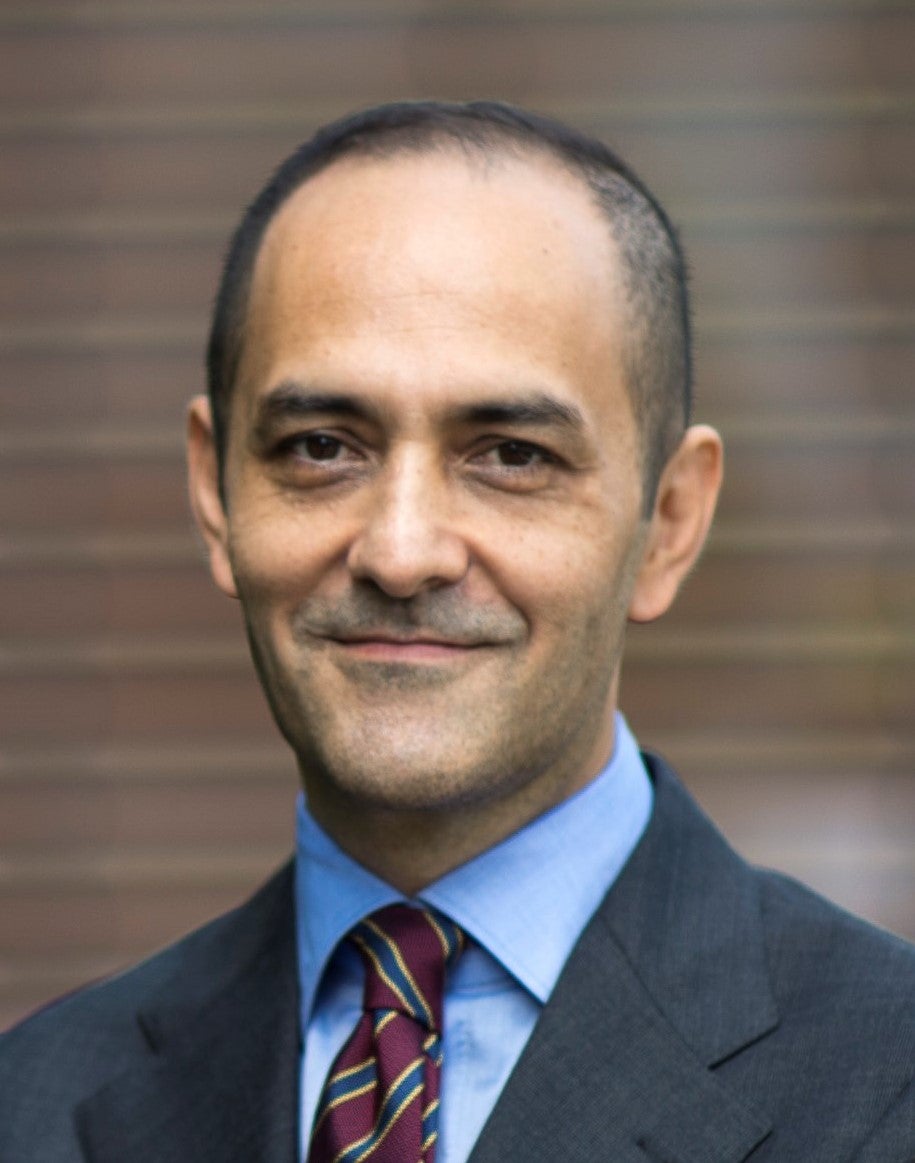
Associate Professor Adam Claridge-Chang
Faculty & Department
Joint Appointments
Adjunct Associate Professor, Physiology, Medicine
Education
Doctor of Philosophy, Rockefeller University, United States
Bachelor of Science with Hons, Australian National University, Australia
Bio
Adam Claridge-Chang is an Associate Professor at Duke-NUS Medical School. He did his undergraduate studies at the Australian National University, pursued his doctoral work on circadian rhythms with Michael Young at The Rockefeller University (2017 Nobel laureate), did postdoctoral work on olfactory learning with Gero Miesenböck (2020 Shaw Laureate) at Yale University, and was previously a Nuffield Leadership Fellow at the University of Oxford. He holds an adjunct appointment in NUS Physiology. His lab works on optogenetics development and application to neuromodulatory function, mapping protein networks in the brain, and developing statistical methodology.
Affiliated Scholarships
View Affiliated ScholarshipsContact Information

We work to develop and use neurogenetics methods to better understand basic brain functions that are disrupted in common mental disorders. The lab has technical expertise in genetics, behavior experiments, instrumentation development, neuroanatomy and related methods. We are particularly interested in aversive associative learning and related defense behaviors, including the role of conserved genes involved in these processes that will help us understand human brain function and dysfunction. We are mapping protein networks in the brain, with a view to understanding synaptic processes.